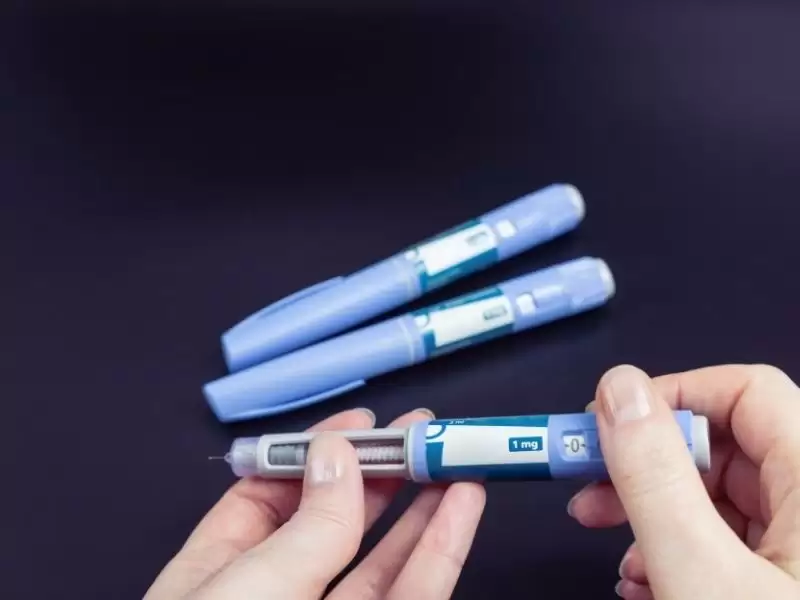
What are weight-loss injections?
Weight management is a priority for many people today. Excess weight affects health—not only appearance—and medically supervised options can help when lifestyle changes alone are not enough.
Read article →This content is for general education only and does not replace an individual medical consultation.
Weight management is a priority for many people today. Excess weight affects health—not only appearance—and medically supervised options can help when lifestyle changes alone are not enough.
Read article →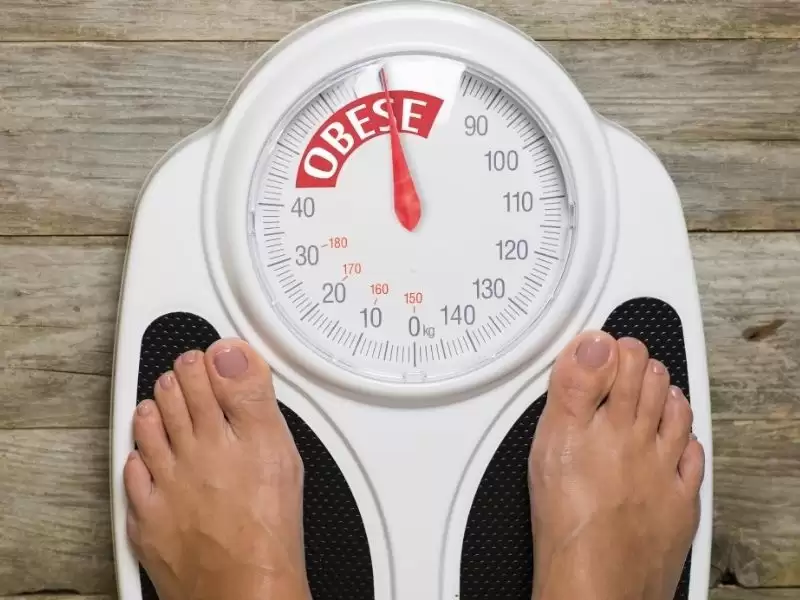
Sometimes one tool is not enough—or patients want to accelerate progress safely. Combining endoscopic balloon therapy with supervised pharmacotherapy may be discussed for carefully selected cases.
Read article →
Injectables can offer meaningful benefit for suitable patients, but—like any medicine—they carry risks and contraindications that must be screened and monitored.
Read article →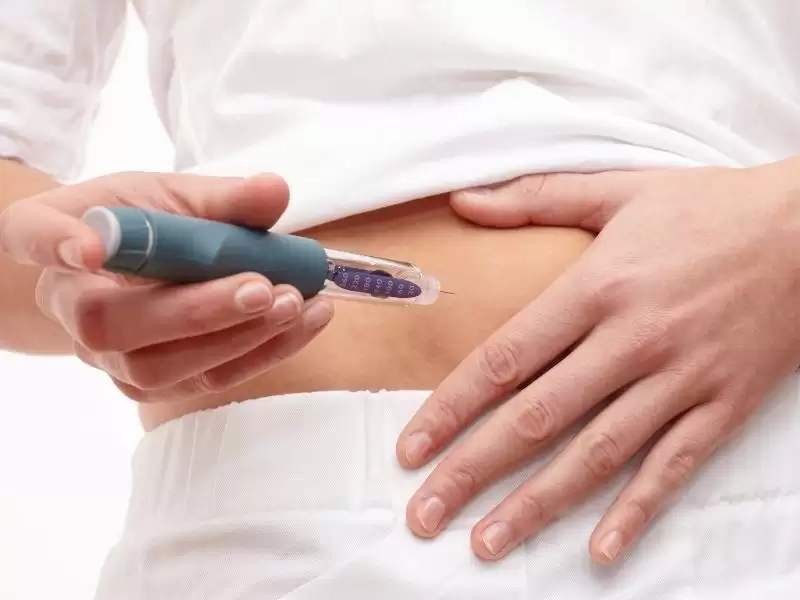
GLP-1–based therapies revolutionised obesity and type 2 diabetes care for many patients. Knowing typical and warning symptoms supports safer use.
Read article →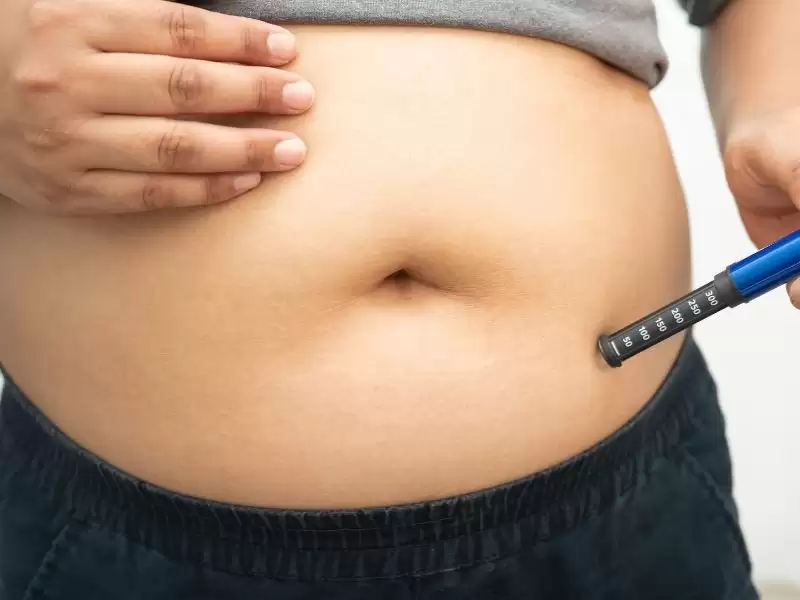
Injectable medicines are tools, not automatic permanent fixes. Stopping without a maintenance strategy commonly leads to appetite returning toward baseline.
Read article →Hormone-mimicking medicines adjust appetite and insulin dynamics; the body readapts when they are withdrawn.
Read article →Both approaches have evidence for weight and metabolic improvement, but mechanisms, magnitude of effect and durability differ by patient.
Read article →Reduced intake can silently lower intake of vitamins and minerals even when the scale improves.
Read article →Beyond weight, patients sometimes notice changes in cravings, portion control or cardiometabolic markers—within expectations for the drug class.
Read article →