Root Canal Treatment
Save Your Natural Tooth
This image is AI-generated and for illustrative purposes only. It does not represent a real patient or actual treatment results. Individual results may vary.
Save infected or damaged teeth with our expert root canal treatment. Modern root canal therapy is virtually pain-free and highly effective at preserving your natural teeth. Our experienced endodontists use advanced techniques and technology to ensure comfortable treatment and optimal outcomes.
Root Canal Treatment
Save Your Natural Tooth
Save infected or damaged teeth with our expert root canal treatment. Modern root canal therapy is virtually pain-free and highly effective at preserving your natural teeth. Our experienced endodontists use advanced techniques and technology to ensure comfortable treatment and optimal outcomes.
This image is AI-generated and for illustrative purposes only. It does not represent a real patient or actual treatment results. Individual results may vary.
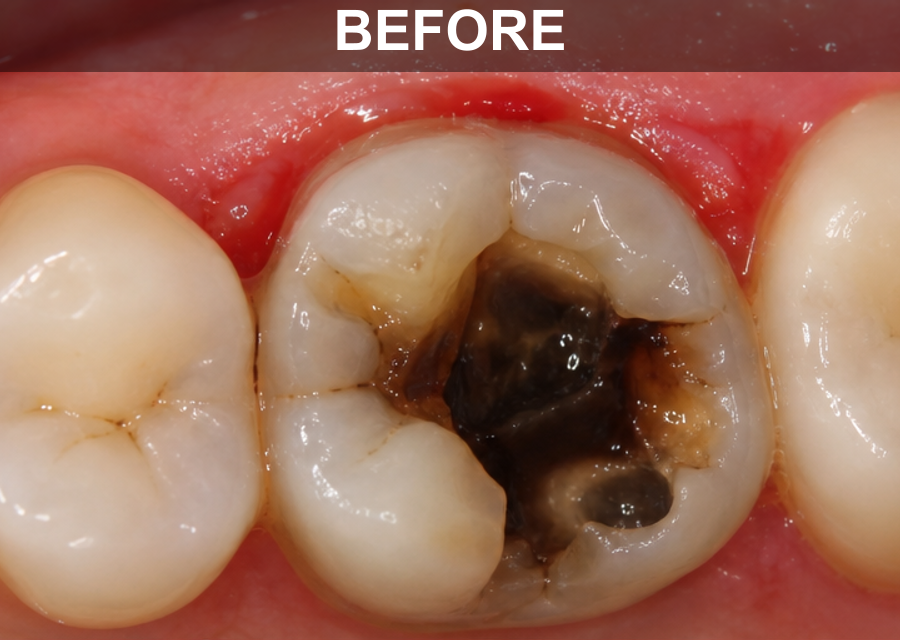
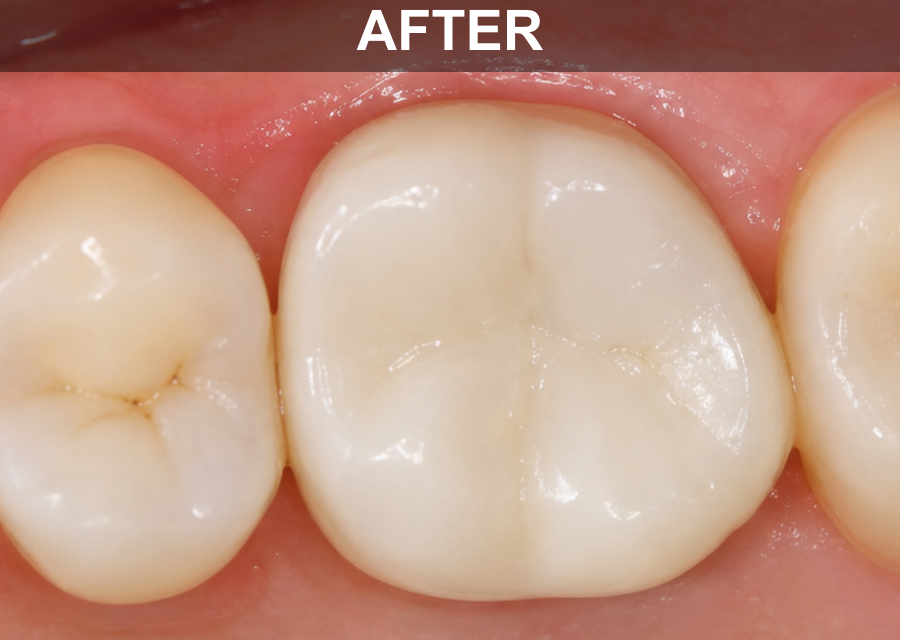
Before & After
Illustrative examples—individual results vary
This image is AI-generated and for illustrative purposes only. It does not represent a real patient or actual treatment results. Individual results may vary.
Tooth Preservation
Natural tooth saved with root canal
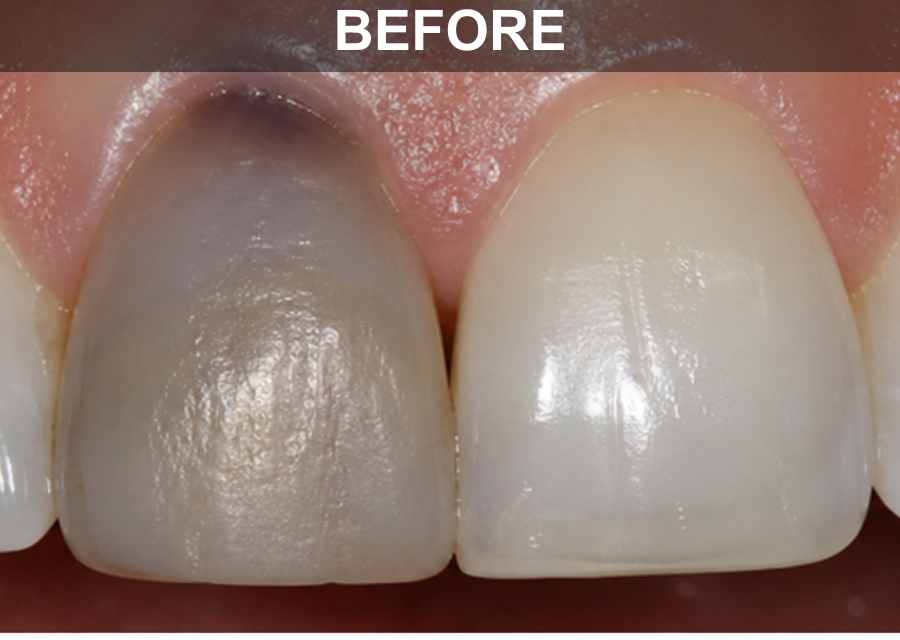
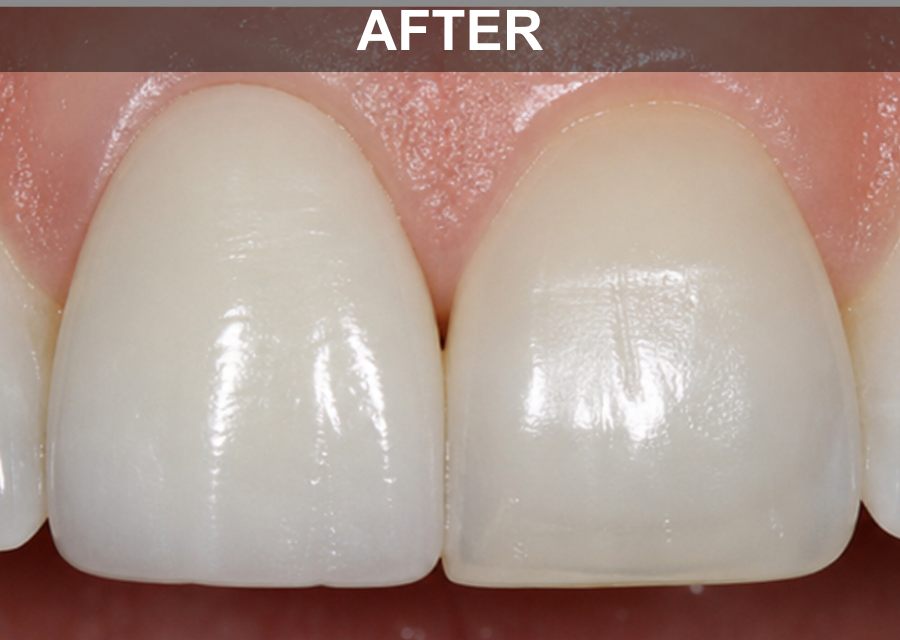
This image is AI-generated and for illustrative purposes only. It does not represent a real patient or actual treatment results. Individual results may vary.
Pain Relief
Infection treated, pain eliminated
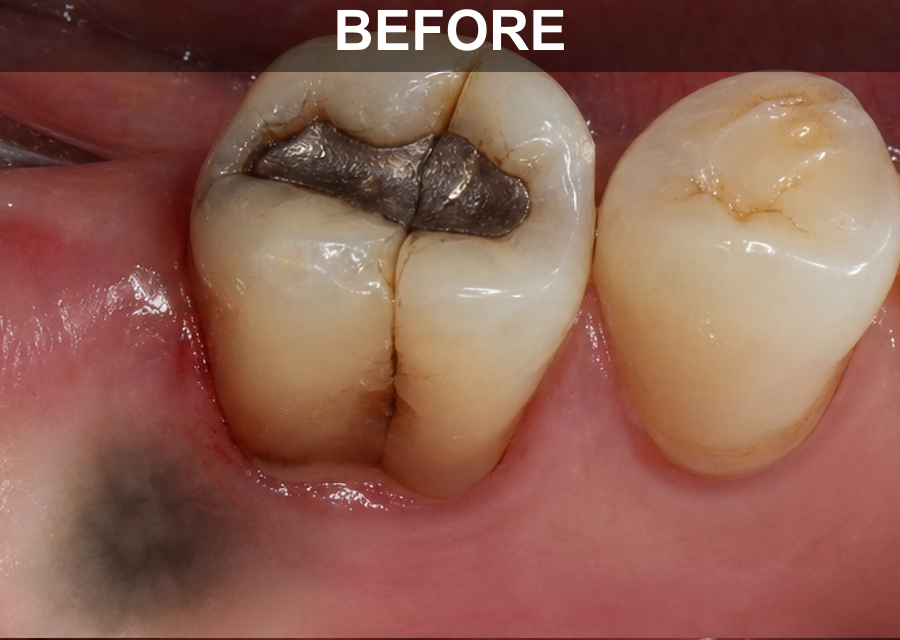
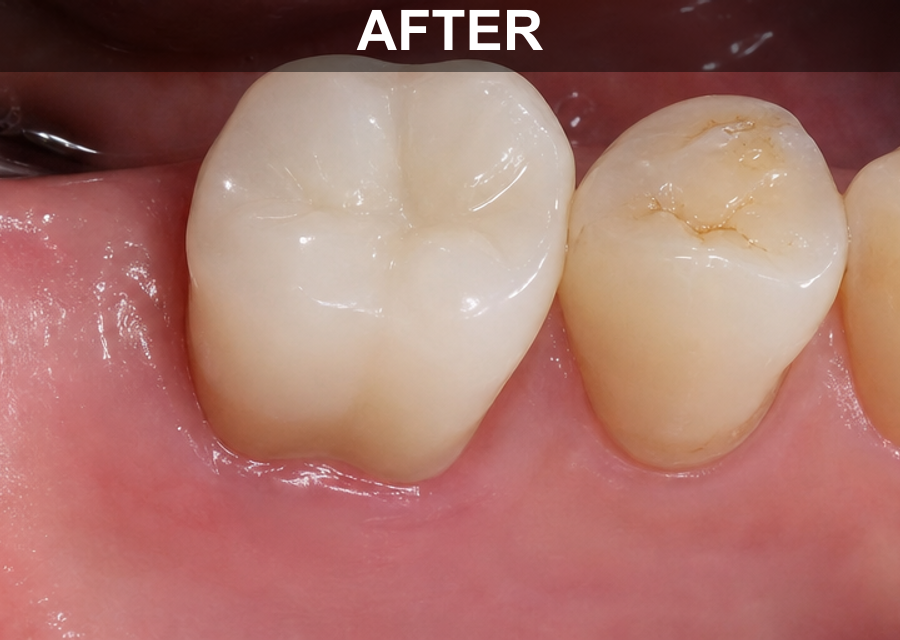
This image is AI-generated and for illustrative purposes only. It does not represent a real patient or actual treatment results. Individual results may vary.
Complete Restoration
Tooth function and appearance restored
Key Advantages
Why this dental treatment stands out
Save Natural Teeth
Root canal treatment saves your natural tooth, avoiding extraction and the need for replacement. Preserving natural teeth maintains oral health and function.
Pain-Free Treatment
Modern root canal therapy is virtually pain-free. Local anesthesia ensures comfort throughout treatment. The procedure relieves pain caused by infection.
Advanced Technology
We use rotary instruments, digital imaging, and magnification for precise, efficient treatment. Modern techniques ensure better outcomes and faster treatment.
Quick Recovery
Most patients can return to normal activities immediately after treatment. Recovery is typically quick with minimal discomfort.
High Success Rate
Root canal treatment has a 95%+ success rate when performed by experienced endodontists. Properly treated teeth can last a lifetime.
Long-Term Solution
With proper care, root canal-treated teeth can last a lifetime. They function normally and maintain your natural smile.
Treatment Process
Your journey to a perfect smile
Diagnosis & Evaluation
Comprehensive examination including X-rays to assess infection and determine if root canal is needed. We discuss treatment and answer questions.
Anesthesia & Access
Local anesthesia ensures comfort. Small opening is created to access the root canal. You won't feel pain during the procedure.
Cleaning & Shaping
Infected tissue is removed, and root canals are cleaned and shaped. Advanced instruments ensure thorough cleaning.
Filling & Sealing
Root canals are filled and sealed to prevent reinfection. Temporary or permanent filling is placed. Final restoration may be needed.
Care & Maintenance
How to care for your new smile
Immediate Post-Treatment
Avoid chewing on treated tooth. Take prescribed medications if needed. Some sensitivity is normal and temporary.
Healing Period
Continue to be gentle with treated tooth. Attend follow-up if scheduled. Sensitivity should subside.
Final Restoration
Permanent crown or filling may be placed to protect treated tooth. This ensures long-term success.
Maintenance
Maintain treated tooth with good oral hygiene and regular checkups. With proper care, tooth can last a lifetime.
Frequently Asked Questions
What is a root canal?
Root canal treatment removes infected or damaged tissue from inside the tooth (pulp and root canals), cleans and disinfects the area, then fills and seals it to save the tooth.
Is root canal treatment painful?
No, modern root canal treatment is virtually pain-free. Local anesthesia ensures you won't feel pain during treatment. The procedure actually relieves pain caused by infection.
How long does root canal treatment take?
Most root canals take 1-2 hours, depending on tooth complexity. Some cases may require multiple visits. Simple cases can be completed in one visit.
Will I need a crown after root canal?
Most root canal-treated teeth need a crown to protect them from fracture. Back teeth almost always need crowns, while front teeth may only need fillings.
How long do root canal-treated teeth last?
With proper care, root canal-treated teeth can last a lifetime. Success rate is 95%+. Good oral hygiene and regular checkups ensure long-term success.
What are signs I might need a root canal?
Signs include severe toothache, sensitivity to hot/cold, swelling, gum tenderness, or darkening tooth. However, some cases have no symptoms, which is why regular checkups are important.
Can root canal treatment fail?
Root canal treatment has a high success rate (95%+), but can fail if infection persists or tooth fractures. Retreatment or other options can address failures.
Ready for Your Perfect Smile?
Schedule your consultation with our expert dental team